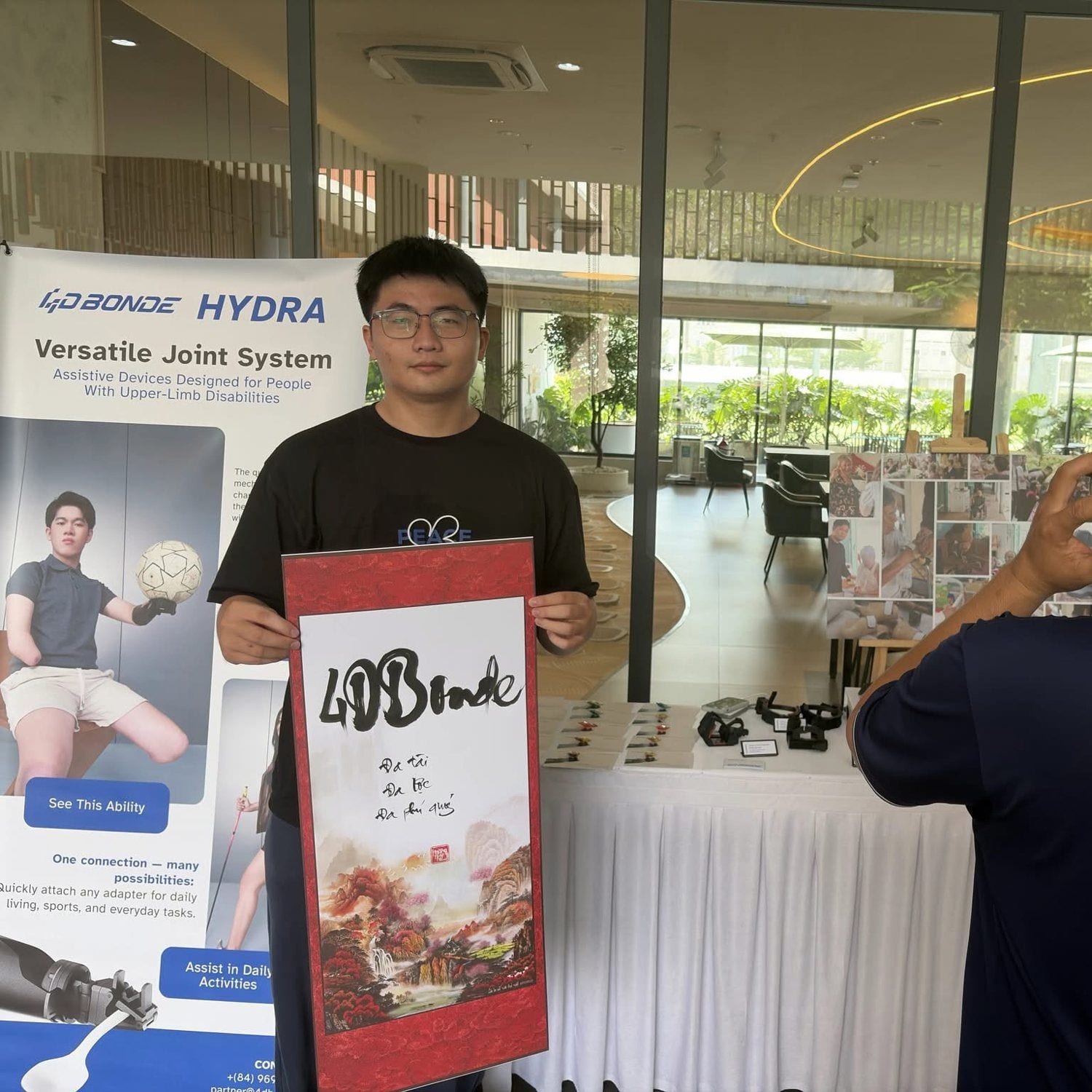
The Hidden Crisis: Why Do So Many People Abandon Upper Limb Prosthetics?

A medical device is entirely useless if it sits in a closet.
In the realm of biomedical engineering, the past two decades have witnessed an explosion of innovation. We have seen the introduction of highly advanced upper limb prosthetics, featuring multi-articulated bionic fingers, electromyography (EMG) sensors, and even microprocessor-enabled wrist joints. Watching these devices operate in a controlled clinical environment is undeniably impressive.
However, when these devices leave the clinic and enter the chaotic reality of daily life, a perplexing and deeply concerning trend emerges. Clinical researchers and occupational therapists have documented a massive rate of device rejection. The phenomenon is known as "assistive technology abandonment".
The data is striking. On average, studies show that roughly 20% of all upper limb amputees completely reject their prosthetic devices. When breaking down the data by amputation level, the crisis becomes even more apparent. Individuals with trans-humeral (above-elbow) amputations experience rejection rates soaring to between 50% and 60%.
Why are individuals walking away from technology that is explicitly designed to restore their functionality? The answer requires the industry to step back, examine the lived experiences of users, and fundamentally rethink how we design assistive tools.
The Illusion of the "Perfect Hand"
To understand prosthetic abandonment, we must first examine the prevailing design philosophy of the industry. Historically, prosthetic development has been driven by a desire to recreate the anatomical human hand. Engineers focus on achieving highly complex degrees of freedom (DOFs) and aesthetic realism.
But mimicking the human body introduces massive mechanical and computational burdens. When clinical surveys investigate why users abandon these marvels of engineering, the feedback consistently clusters around three primary failures: physical discomfort, functional inadequacy, and unsustainable costs.
1. The Physical Burden: Weight, Heat, and Socket Interface
The most frequently cited reason for discarding an upper limb prosthetic is a lack of comfort, specifically related to weight and temperature. Advanced myoelectric arms require internal motors, heavy battery packs, and dense structural materials.
For a user wearing a device for 10 to 14 hours a day, this excessive, unnatural weight distribution leads to severe physical consequences. It causes rapid muscular fatigue, chronic shoulder pain, and compensatory gait alterations that can lead to long-term spinal issues.
Furthermore, traditional prosthetics rely on heavy silicone or thick plastic sockets to house the electronic sensors and secure the device to the residual limb. In warm, humid climates, such as those found across Southeast Asia, these sockets trap heat and perspiration. This leads to severe skin maceration, blistering, and the eventual breakdown of the socket's fit. A device that causes pain will inevitably be abandoned.
2. The Functional Deficit: Cognitive Load and Lack of Feedback
There is a widespread assumption that a multi-articulated bionic hand provides superior daily functionality. The reality reported by users is often the exact opposite.
Operating a myoelectric device requires the user to generate specific, intentional muscle contractions to trigger the sensors. This demands a massive amount of visual concentration and cognitive load. Because these devices currently lack true sensory feedback (the ability to feel how hard you are gripping an object), users must constantly stare at the prosthetic to ensure they do not crush a paper cup or drop a glass.
Furthermore, bionic hands are notoriously fragile. Exposure to water, dust, or heavy mechanical stress can easily destroy the internal servos. When a device is slow to actuate, requires intense concentration, and is too fragile for rugged work, users quickly realize a harsh truth: they are much faster and more efficient completing tasks with only their residual limb.
3. The Economic Barrier
The financial reality of limb loss cannot be ignored. High-end myoelectric prosthetics can range from $20,000 to over $100,000 USD. In low- and middle-income countries, this places them entirely out of reach. Even when a user secures initial funding, the ongoing costs for proprietary repairs, battery replacements, and socket refitting render the device financially unsustainable.
The 4D - BONDE Approach: Modular, Task-Specific Utility
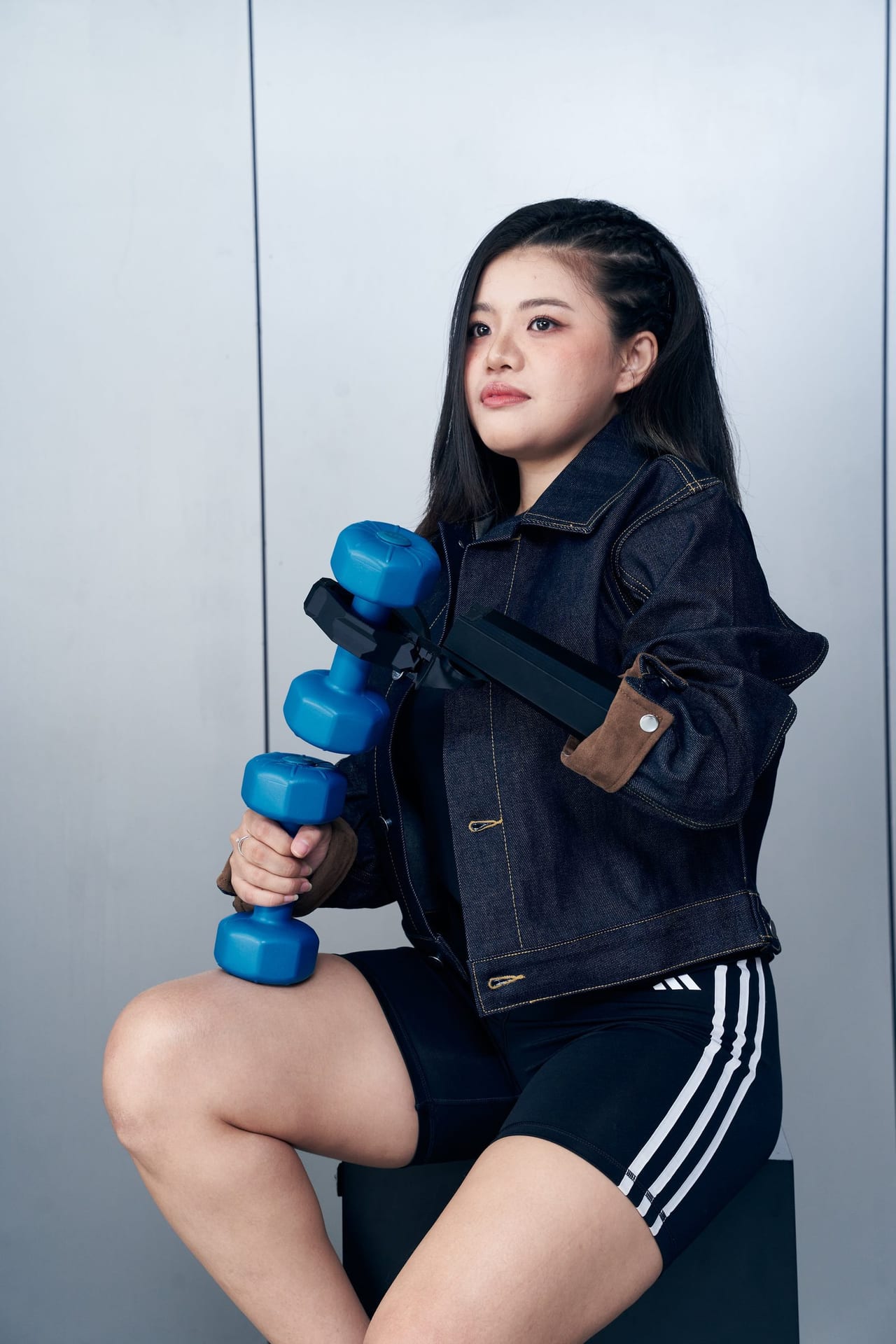
If the goal of the biomedical sector is to reduce abandonment rates, the design philosophy must shift. We must stop trying to build "fake hands" and start building highly efficient, targeted tools.
This is the foundational engineering principle behind 4D - BONDE and their flagship product, the Multi-Purpose Joint Set (Bộ Khớp Đa Năng). Born in Vietnam and co-designed with individuals living with upper limb mobility restrictions, the system directly addresses the primary causes of device rejection.
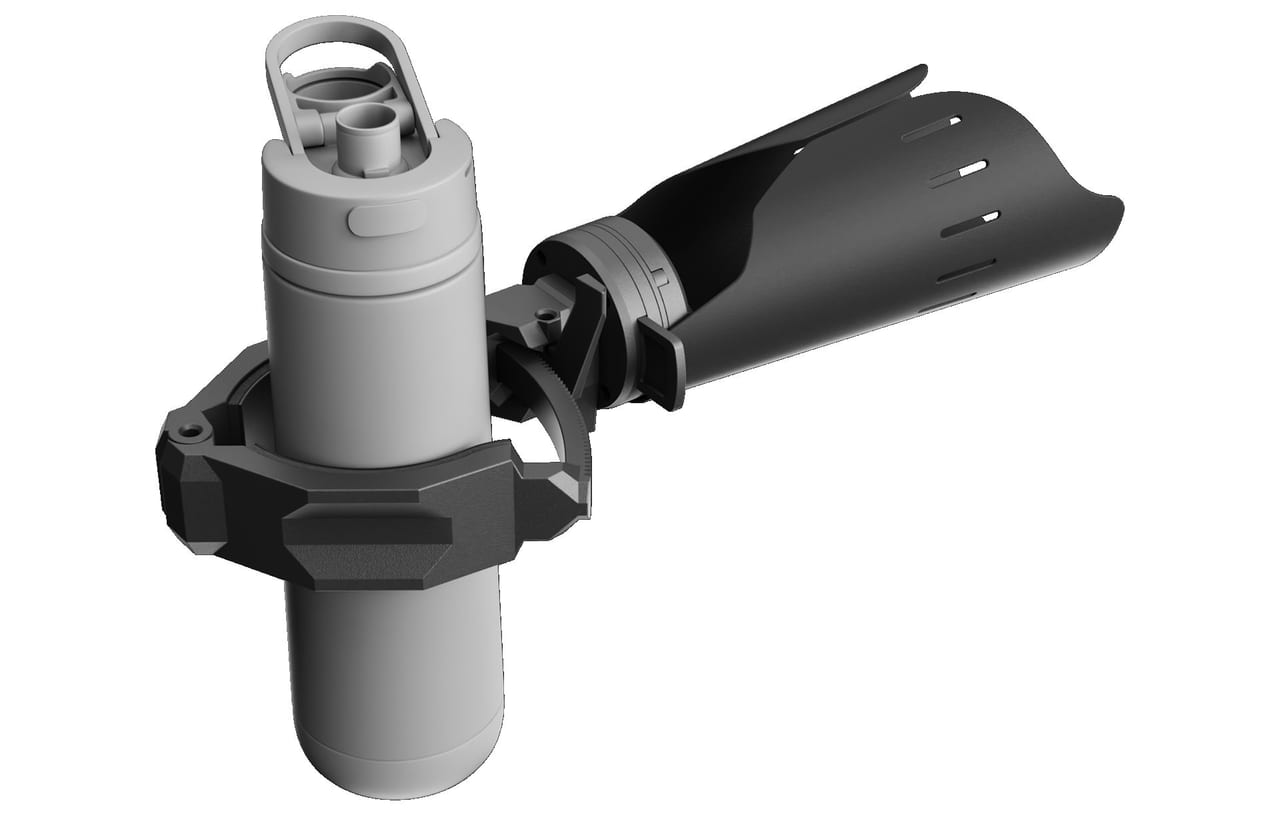
Re-engineering Comfort and Weight. 4D - BONDE abandoned the heavy, sweat-inducing silicone socket. Instead, they engineered a socket utilizing precision CNC-machined aluminum. This skeletal, minimalist design dramatically reduces the overall weight of the device, eliminating shoulder fatigue. The open-air architecture allows the skin to breathe, solving the critical issue of perspiration and skin breakdown in tropical climates.
Task-Specific Modular Functionality. Rather than forcing a single, heavy mechanical hand to awkwardly perform every daily task, the 4D - BONDE system employs a highly modular approach. The device serves as a universal joint. Users can instantly snap in specific 3D-printed tool heads tailored for the exact task they need to perform.
Need to brush your teeth? Snap in the small precision clip.
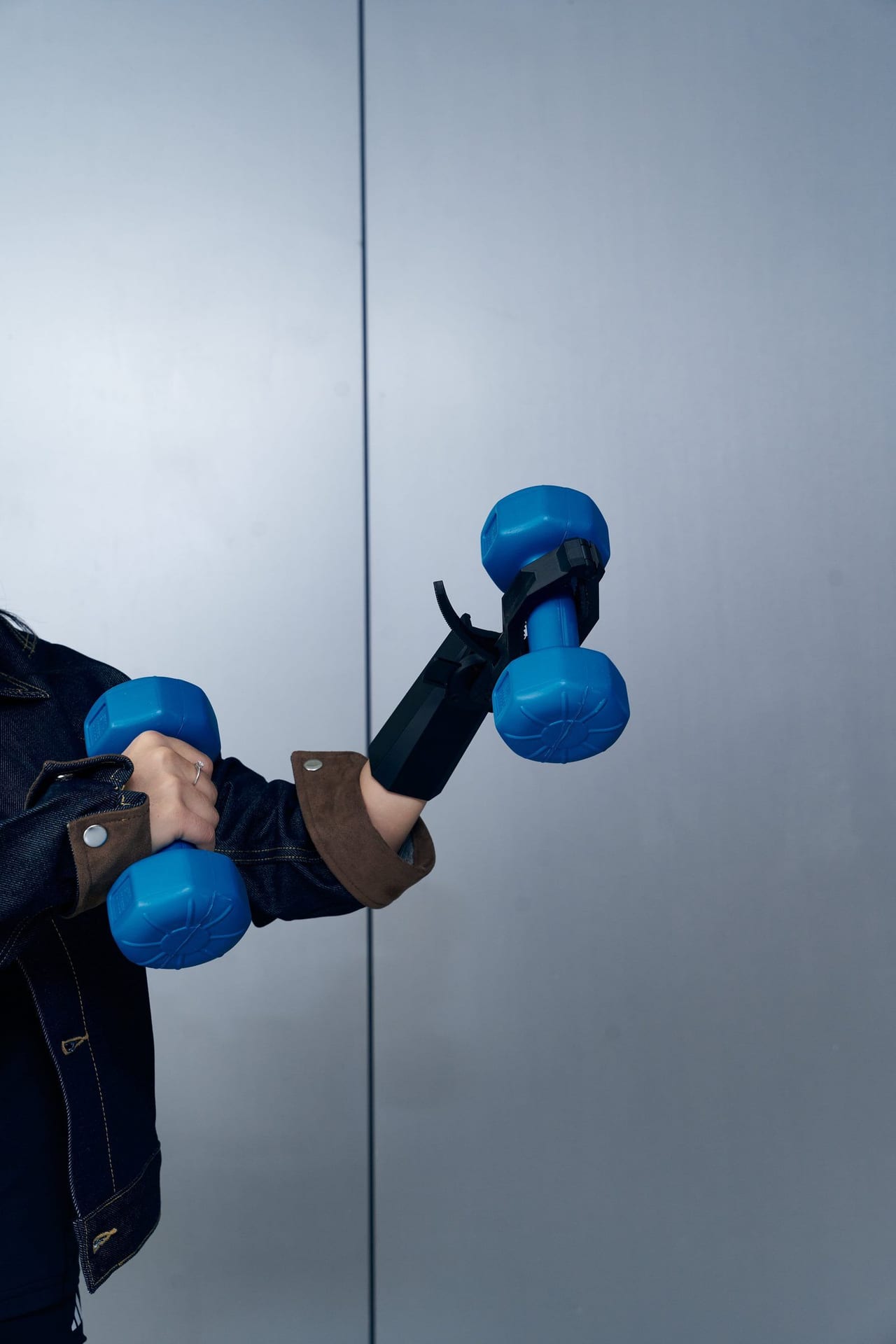
Preparing dinner? Attach the culinary tool designed to securely hold knives and spatulas.

Working at a desk? Connect the digital interface tool for smooth keyboard typing. This approach eliminates the exhausting cognitive load required to operate electronic sensors. It provides immediate, reliable mechanical leverage exactly when it is needed.
Economic Democratization. By utilizing a hybrid manufacturing process of CNC machining and 3D printing, and stripping away unnecessary electronic components, 4D - BONDE has completely disrupted the pricing model. The Multi-Purpose Joint Set is available for approximately 5 million VND (roughly $200 USD). This localized, lean manufacturing approach ensures that repairs and upgrades are fast and affordable, practically eliminating the economic driver of device abandonment.
The data surrounding prosthetic rejection is not a failure of the user; it is a failure of design. Users do not want expensive science experiments attached to their bodies. They want reliable, comfortable tools that help them reclaim their independence. By listening directly to the lived experiences of the disability community, 4D - BONDE is proving that the most advanced technology is not always the most complex: it is the one that actually gets used.
Many upper limb prosthetics end up unused. Why users reject myoelectric devices, and how a modular joint system offers a functional, affordable alternative.