Beyond the Prosthetic: Why 4D - BONDE Focuses on "Ability" Over "Disability"

There is an old Vietnamese proverb deeply ingrained in the cultural consciousness: "With human effort, even rocks and stones turn into meals." The saying places an immense, almost mythological weight on the human hands as the ultimate engines of creation, resilience, and survival.
But a profound question emerges from this cultural baseline: What happens when the biological tools of human effort are altered? If hands are the foundation of all buildings, does the loss of a limb equate to the loss of capability?
For decades, the global biomedical industry has approached upper limb disabilities through a singular, hyper-focused lens: replacing what is missing. Engineering laboratories have poured billions of dollars into developing sophisticated, animatronic limbs designed to perfectly mimic the aesthetic form of a biological hand. Yet, in the pursuit of visual perfection, the industry often abandoned practical utility.
4D - BONDE was born in 2023 out of a fundamental rebellion against this paradigm. The realization was stark but necessary. Independence is not defined by possessing five synthetic fingers that look real. Independence is defined by the capacity to take action.
The Genesis of 4D - BONDE: Solving Real-World Friction
The origin story of 4D - BONDE began not in a sterile laboratory, but in the chaotic, demanding environments of everyday life. The founding team, including university students La Thị Như Muội (Fulbright University Vietnam) and Văn Hoàng Nguyên (Văn Lang University), embarked on a project for the Accessibility Design Competition organized by RMIT University. Neither founder had a physical disability. They quickly realized that engineering a solution based on assumptions from the outside would inevitably lead to failure.
The turning point occurred when the team immersed themselves in the lived realities of the disability community. They encountered a highly instructive, albeit tragic, case study. A user had spent nearly 500 million VND (approximately $20,000 USD) to import an advanced myoelectric arm from South Korea. It was a marvel of modern robotics. It was also overwhelmingly heavy, fragile, and utterly useless when the user simply wanted to hold a spoon to feed himself independently.
This single interaction shattered the team's preconceptions. The problem was not a lack of technology; the problem was a catastrophic misalignment of priorities. People with upper limb amputations, particularly those who serve as the primary breadwinners for their families, do not necessarily want a heavy robotic hand. They want to brush their teeth. They want to type on a keyboard. They want to hold a kitchen knife. They want autonomy.
Following the core tenet of "Nothing About Us Without Us," the 4D - BONDE team collaborated extensively with over 30 individuals living with mobility restrictions. They completely abandoned the concept of the robotic hand.
The Engineering of the Multi-Purpose Joint Set
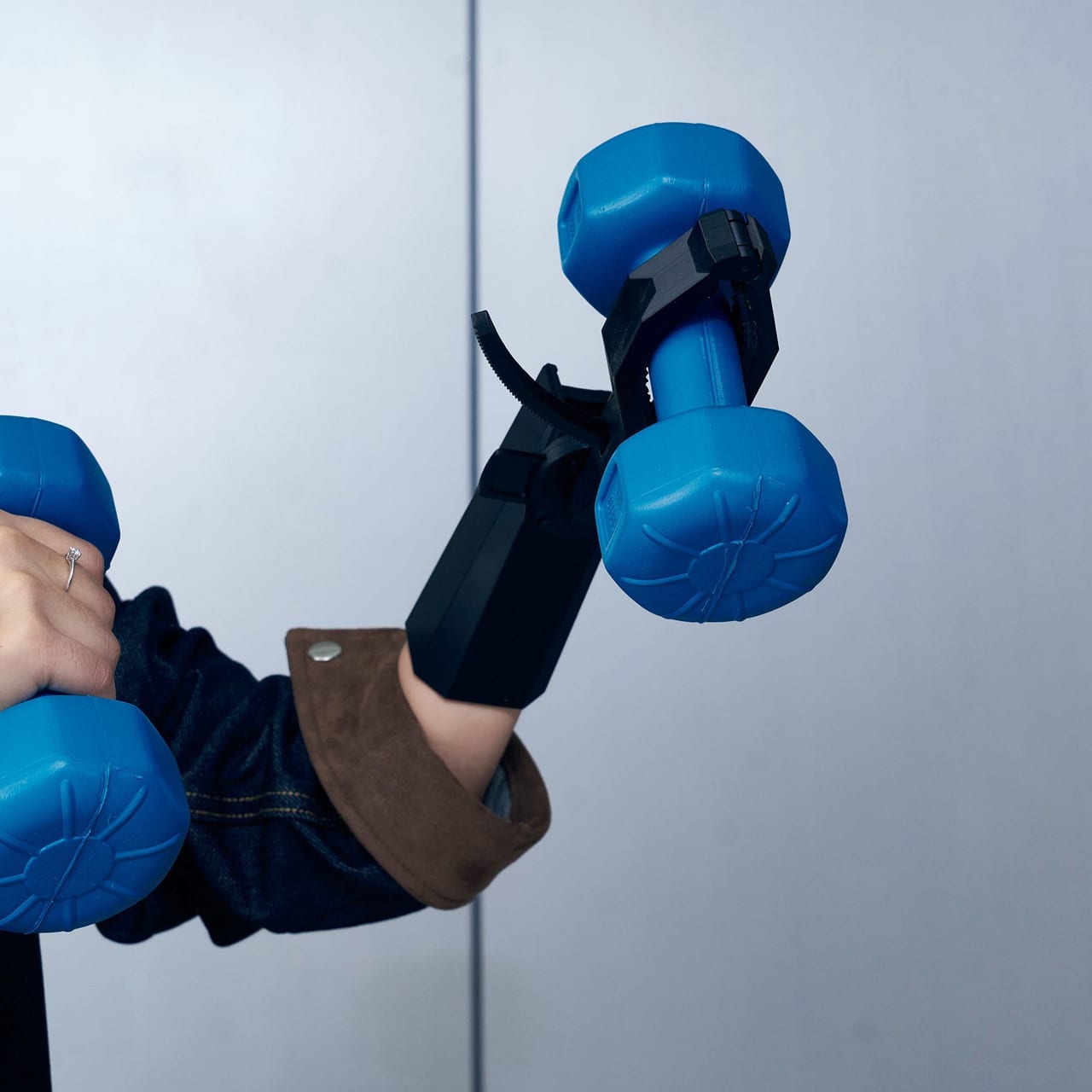
The resulting innovation, the Multi-Purpose Joint Set (Bộ Khớp Đa Năng), is entirely function-driven. It operates not as a prosthetic replacement, but as an advanced, modular assistive tool.
The architecture of the device is rooted in lean engineering and accessible materials. The socket, the component that physically interfaces with the user's residual limb, is crafted using precise CNC laser-cut aluminum. This guarantees a highly secure, comfortable, and breathable fit, addressing the chronic issue of overheating found in traditional silicone sockets.
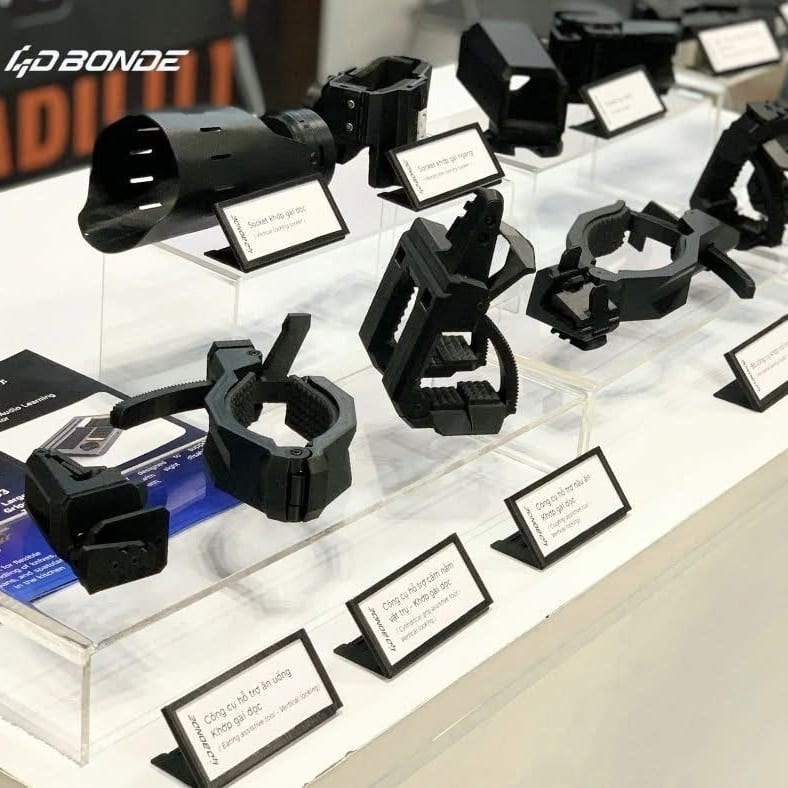
Attached to this base is a series of 3D-printed, interchangeable mechanical joints. Instead of a static, generalized hand, the user snaps in highly specialized tool heads depending on the task at hand. The current ecosystem includes:
- The Precision Clip: Designed for fine motor tasks, allowing users to securely hold pens, toothbrushes, or razors.
- The Cylindrical Grip: Engineered to stabilize larger, rounded objects essential for personal hygiene and daily transit.
- The Culinary Module: Specifically tailored to withstand the leverage required to use spatulas, knives, and pans, effectively returning the user to the kitchen.
- The Digital Interface Tool: A precise attachment enabling smooth typing and mouse navigation, critical for modern employment.
By stripping away the unnecessary electronic complexity and utilizing localized manufacturing, 4D - BONDE managed to bring the cost of the device down to roughly 5 million VND, a fraction of the cost of imported alternatives, democratizing access to physical autonomy.
"See This Ability": Rewriting the Cultural Narrative
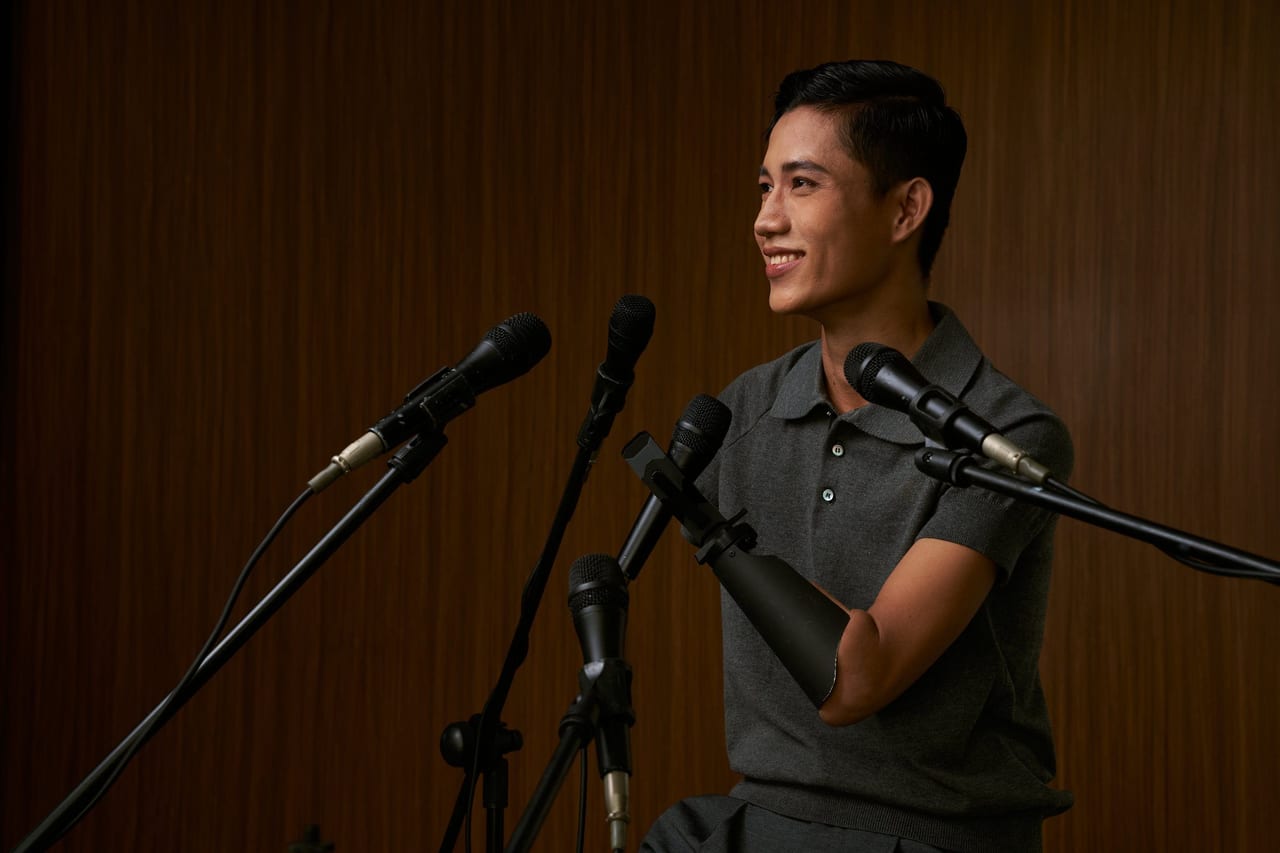
While the Multi-Purpose Joint Set dismantles the physical barriers of limb loss, it is only half of the battle. In Vietnam, and across much of Southeast Asia, the cultural stigma surrounding disability remains a formidable wall. Society often frames disability through a lens of pity, viewing individuals purely as recipients of charity rather than active, capable participants in the economy.
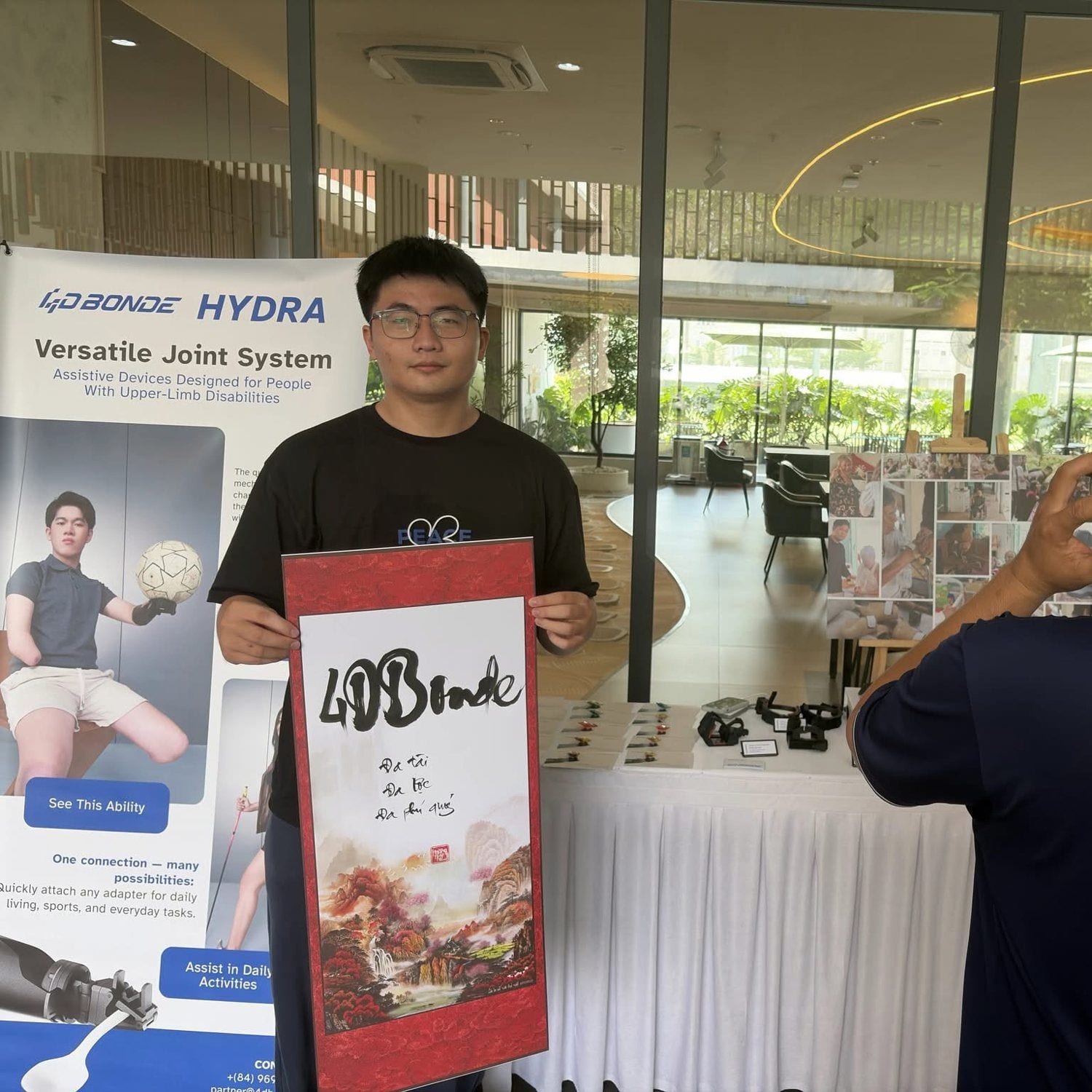
To directly confront this stigma, 4D - BONDE launched the "SEE THIS ABILITY" campaign. The wording is a deliberate, linguistic subversion. It refuses to "See Dis Ability" (look at the flaw) and demands that the public "See This Ability" (witness the inherent capability).
The campaign is devoid of the typical, fictionalized "inspiration porn" that often plagues disability marketing. Directed by photographer Gia Bách, the visual narrative centers on four real individuals engaged in their actual lives: Nay Djrueng, Thảo Nghi, Nguyễn Tiến, and Gia Lâm.
The profiles are unapologetically diverse. The imagery showcases an IT professional deeply focused on writing code, a content creator managing digital narratives, an economics student (from UEH) pursuing a passion for intense trekking, and a dedicated child working quietly to provide a better life for their parents.
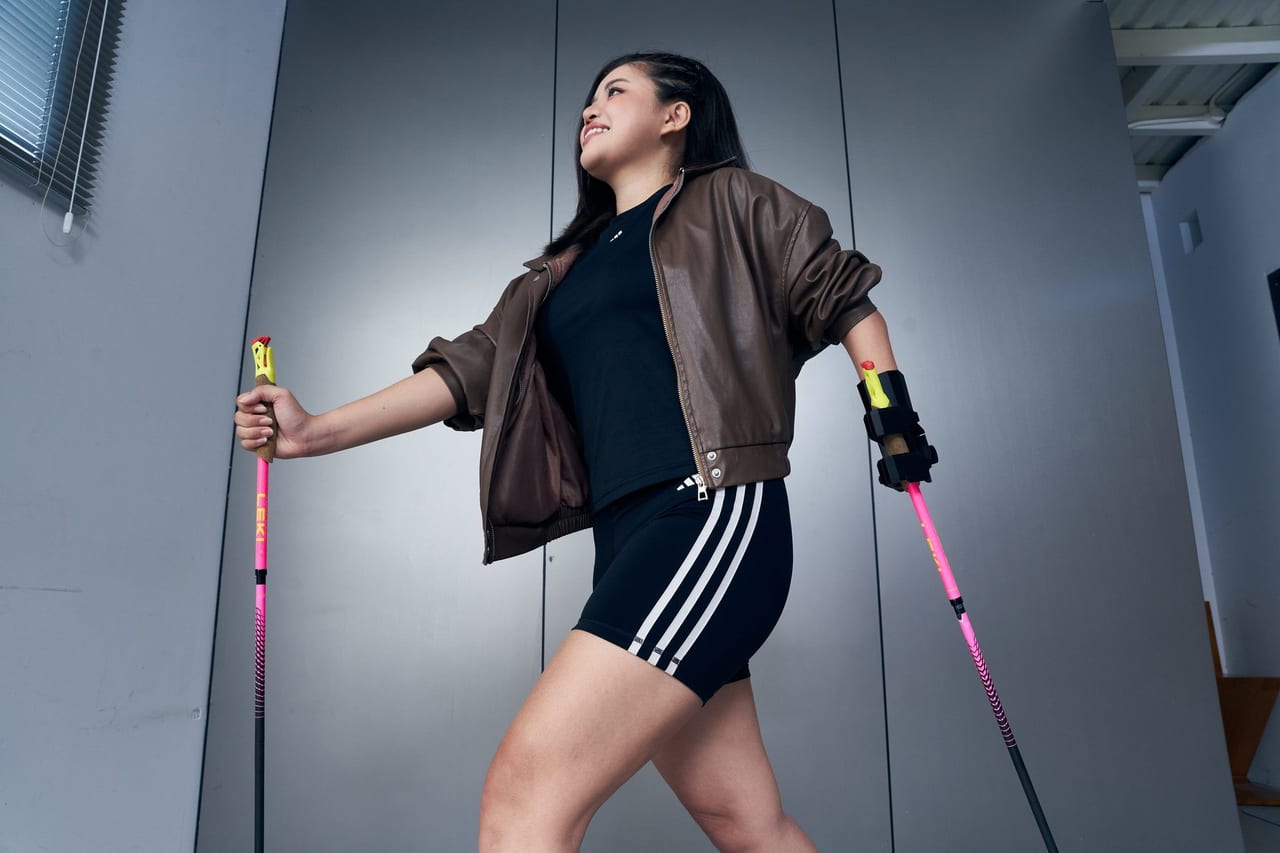
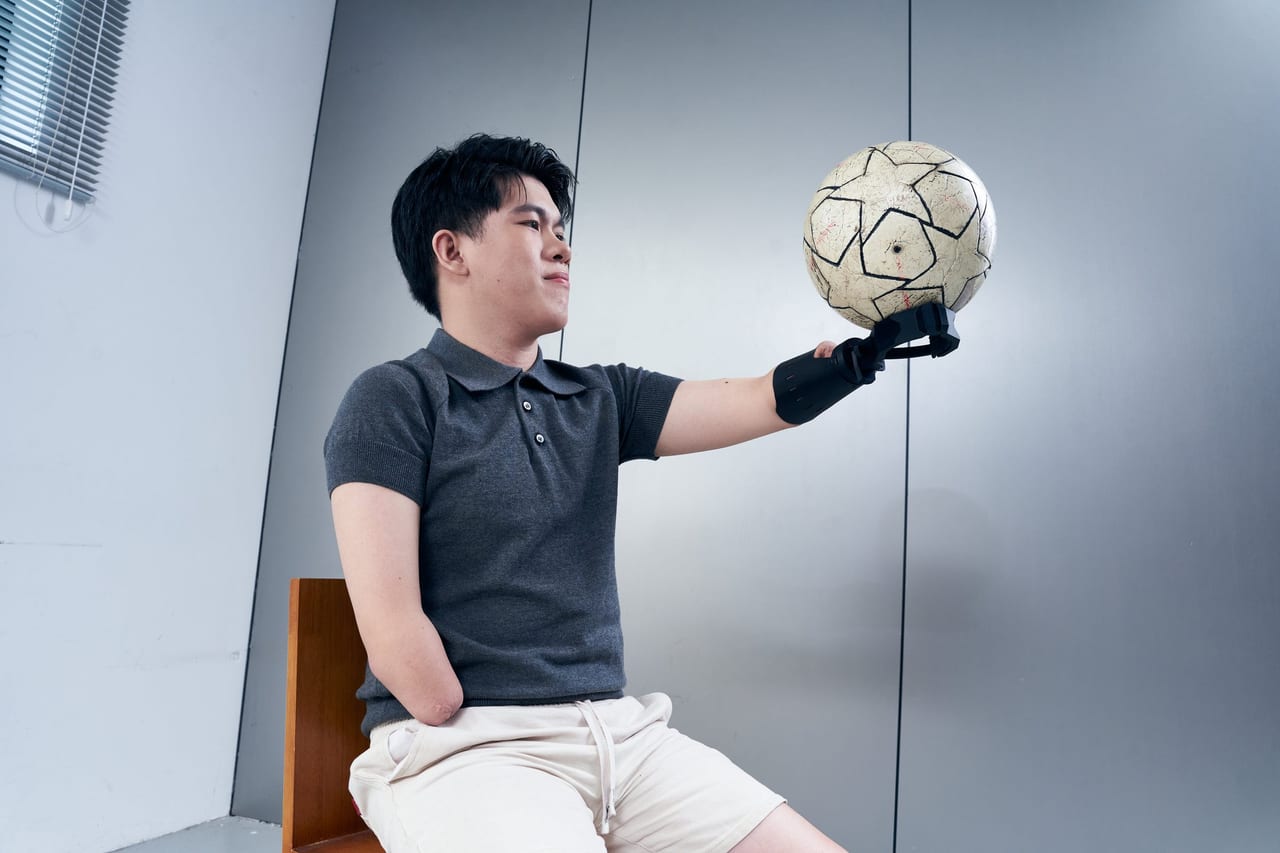
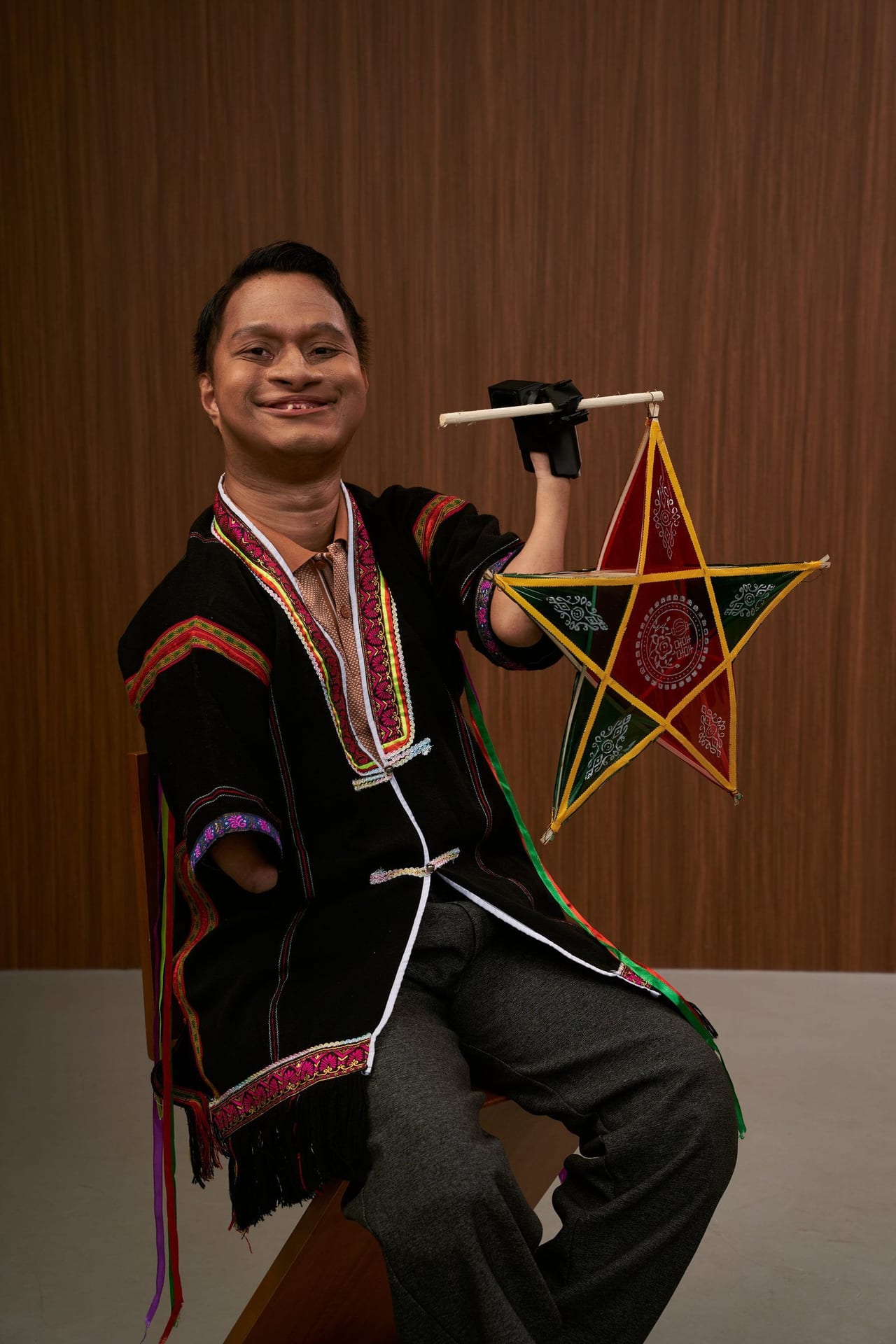
The message is sharp and uncompromising. Their capabilities were never bestowed upon them by a piece of technology. The intellect, the drive, and the ambition were always resident within them. The 4D - BONDE assistive device is merely a physical bridge. It clears the logistical friction so that their inherent power can surface without interruption.
A Blueprint for Inclusive Innovation
The World Health Organization explicitly states that access to assistive technology is a fundamental human right. Yet, the gap between global necessity and actual provision remains a crisis.
4D - BONDE is proving that bridging this gap does not require waiting for billion-dollar biomedical breakthroughs. Operating as a social enterprise, the revenue generated from commercial sales is reinvested into outreach programs, such as outfitting elderly patients at the Bến Sắn leprosy hospital, many of whom fed themselves independently for the first time in decades after receiving the Joint Set.
The ultimate goal of 4D - BONDE extends far beyond hardware. The organization is pioneering a "Design for All" philosophy in Southeast Asia, advocating for environments, schools, and workplaces where accessible tools are integrated by default.
The narrative is changing. It is no longer about fixing broken bodies to fit into an inaccessible world. It is about building smarter tools that adapt to the magnificent diversity of human capability. When the tools match the ambition, rocks and stones do not just turn into meals; they build the foundation of a truly inclusive future.
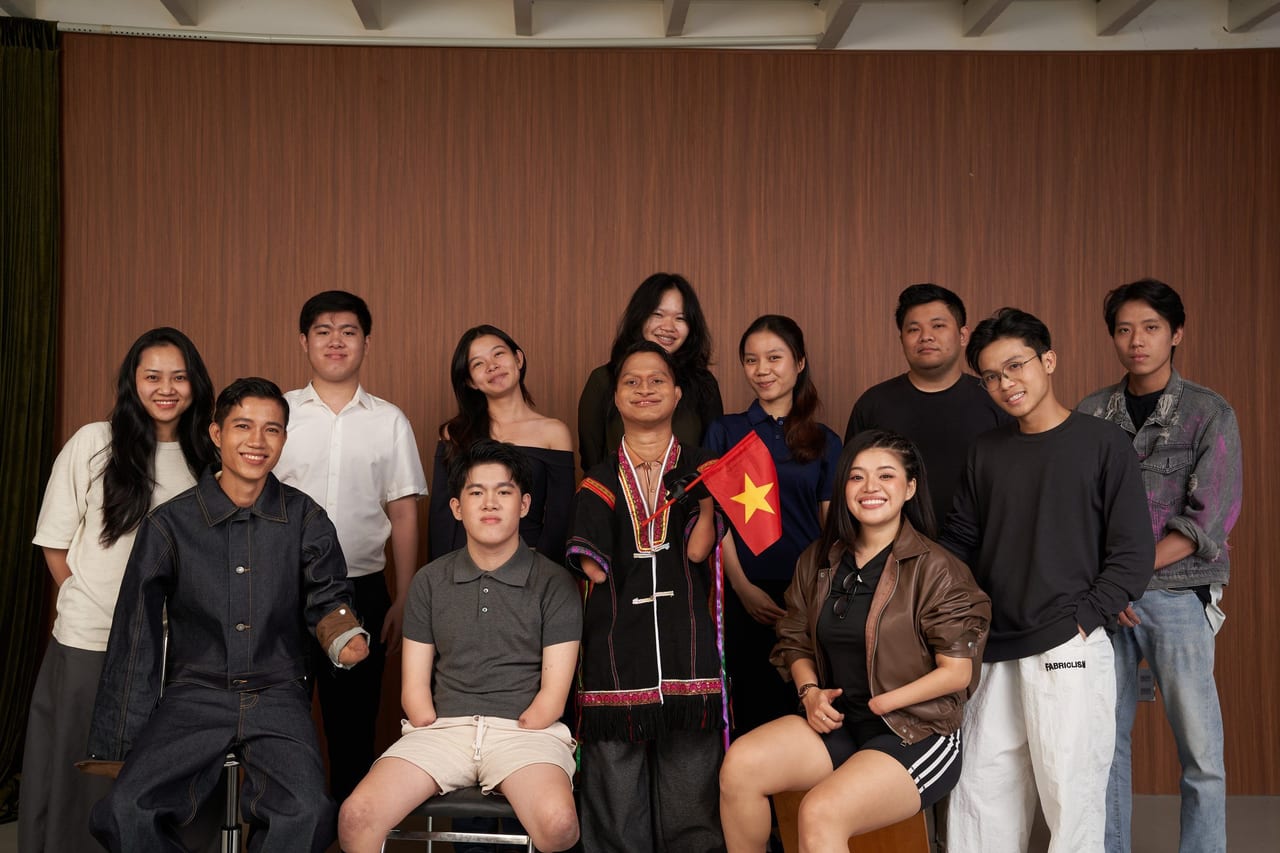
How 4D - BONDE is reshaping affordable assistive technology in Vietnam: the modular Multi-Purpose Joint Set and the "See This Ability" campaign.